






お知らせ(ホテルニューおおるり)
- 忘新年会プラン!13名以上で県内送迎無料 鬼怒川・塩原2025.12.10
-


- 【草津温泉ホテルニュー紅葉】事業譲渡に伴うポイントカードサービス変更のお知らせ2025.08.01
-
お客様各位
平素より「おおるりグループ」をご愛顧いただき、誠にありがとうございます。
この度、誠に勝手ながら、弊社が運営しております「草津温泉ホテルニュー紅葉」は、
2025年7月31日をもちまして、事業を譲渡する運びとなりました。長年にわたりご愛顧いただきましたこと、心より感謝申し上げます。
これに伴い、「おおるりグループのポイントカード」のサービス内容を下記の通り変更させていただきます。
【ポイントカードサービスの変更内容】
ポイントの付与・利用が終了となる店舗
店舗名 : 草津温泉ホテルニュー紅葉
最終ご利用日 : 2025年7月31日(木)
※2025年8月1日以降、草津温泉ホテルニュー紅葉ではポイントの付与およびご利用ができなくなります。
引き続きポイントカードをご利用いただける店舗
鬼怒川温泉ホテルニューおおるり
塩原温泉ホテルおおるり
上記2店舗では、これまでと変わらずポイントの付与・利用が可能です。
草津温泉ホテルニュー紅葉で貯められたポイントも、引き続きご利用いただけます。
お客様にはご不便、ご迷惑をおかけいたしますことを深くお詫び申し上げます。
なお、ご不明な点がございましたら、お手数ですが下記までお問い合わせください。
【本件に関するお問い合わせ先】
株式会社おおるり 電話番号: 0288-76-1001(受付時間: 平日 9:00~18:00)
今後とも、弊社鬼怒川温泉ホテルニューおおるり、塩原温泉ホテルおおるりをご愛顧賜りますよう、何卒よろしくお願い申し上げます。
館主
- アルコール価格改定のお知らせ2025.03.29
-
How UK Betting Regulations Shape US Open Tennis Markets, Explored by Betzella
The United Kingdom has long operated one of the most mature and closely scrutinised gambling regulatory frameworks in the world. Since the Gambling Act of 2005 came into force, and particularly following the strengthening of the UK Gambling Commission’s (UKGC) powers through the 2014 licensing reforms, British-licensed operators have been required to meet standards that directly affect how they construct and present betting markets — including those for major international sporting events like the US Open tennis. What happens in London and Manchester in terms of compliance architecture does not stay there. Because so many globally active sportsbooks hold UKGC licences alongside their other jurisdictional authorisations, the regulatory logic embedded in British law quietly shapes the structure of markets offered to bettors in the United States and beyond.
How UKGC Licensing Standards Influence Market Design
When the UKGC updated its licence conditions and codes of practice (LCCP) in 2019 and again in 2023, the changes were not cosmetic. Operators were required to demonstrate responsible gambling tools embedded at the market level, including deposit limits, reality checks, and self-exclusion mechanisms that function across all product verticals. For tennis betting, this has a concrete structural consequence: operators cannot simply offer an unlimited proliferation of in-play micro-markets without ensuring those markets are covered by the same consumer protection architecture as pre-match wagering. The UKGC’s 2023 review of in-play betting specifically flagged fast-paced event betting — including point-by-point wagering in tennis — as a category requiring enhanced friction mechanisms. This is relevant to the US Open because the tournament generates a particularly high volume of in-play activity, with Grand Slam matches capable of running for four or five hours and producing hundreds of individual betting opportunities across sets, games, and service breaks.
Operators holding dual licences — UKGC plus a state-level US licence, for instance in New Jersey, Pennsylvania, or Michigan — tend to build their product infrastructure around the more demanding standard. In practice, this often means the in-play tennis markets available during the US Open on a British-licensed platform are architecturally similar to those offered through the same operator’s US-facing product, because the underlying market generation engine and risk management systems are shared. The compliance overhead of maintaining two entirely separate product stacks is commercially prohibitive for most operators, so the UKGC standard effectively becomes a floor, not a ceiling.
Odds Compilation, Integrity Monitoring, and the US Open
One of the less discussed dimensions of UK regulation is the mandatory relationship between licensed operators and approved sports integrity bodies. Under UKGC requirements, operators must have agreements in place with the relevant sports governing body where that body has requested them, and they must contribute to or participate in suspicious betting pattern monitoring. Tennis has been a focal point for these requirements since the Tennis Integrity Unit (TIU) — now operating under the International Tennis Integrity Agency (ITIA) — began formalising data-sharing agreements with licensed bookmakers around 2016. The US Open, governed by the United States Tennis Association (USTA), falls within the ITIA’s jurisdiction, meaning that unusual betting patterns on matches at Flushing Meadows are subject to the same monitoring protocols that British regulators helped establish.
This integrity infrastructure has a direct effect on odds compilation. Traders at UKGC-licensed firms are aware that significant line movements on obscure markets — second-set correct score, for example, or total games in a specific set — may trigger an ITIA alert. This awareness introduces a degree of conservatism into market depth and maximum stake limits that would not necessarily exist in a less regulated environment. Bettors who use platforms reviewed at betzella.com/us-open-betting-sites/ will often notice that the range of available markets and the stake ceilings on niche propositions vary considerably between operators, and a meaningful part of that variation traces back to how aggressively each operator has calibrated its integrity risk appetite under its UKGC obligations.
The UKGC’s 2021 call for evidence on the use of customer data in gambling also has implications here. Operators are increasingly required to justify their market suspension and reinstatement decisions during live play — a significant operational concern during a US Open match where a medical timeout, a rain delay, or a visible injury can cause sharp bettors to act on information before the market compiler can react. British regulatory guidance on this point has pushed operators toward more systematic use of automated suspension triggers, which in turn affects the continuity and granularity of in-play markets available to all users, regardless of geography.
The Advertising Standards Dimension and US Open Coverage
UK advertising regulations, enforced jointly by the Advertising Standards Authority (ASA) and the Committee of Advertising Practice (CAP), have undergone significant tightening since the 2019 introduction of the “strong appeal” test for gambling advertisements. Under this standard, operators cannot use imagery, personalities, or content that holds strong appeal to under-18s — a rule that was clarified and expanded in 2022 to cover social media content and influencer marketing. This has had a downstream effect on how US Open tennis betting is marketed in the UK, and by extension on how operators approach global campaign strategies.
Several major operators that market US Open betting in both the UK and the United States have moved toward unified creative frameworks that satisfy the stricter UK standard rather than producing separate campaigns for each market. The result is that American bettors interacting with these brands during the US Open fortnight are often seeing promotional content shaped by ASA guidelines they have no direct relationship with. Betzella has observed this convergence in its analysis of how sportsbook promotions are structured around Grand Slam events, noting that the homogenisation of responsible gambling messaging across markets reflects the compliance cost of maintaining differentiated approaches.
The UKGC’s 2023 white paper response — which included requirements for operators to introduce affordability checks and enhanced due diligence for customers showing markers of harm — is expected to further influence global product strategy. Operators anticipating similar regulatory trajectories in US states are already building systems that can accommodate income verification and spending pattern analysis, and the US Open, as one of the highest-turnover betting events in tennis, is a natural test case for how these systems perform under load. The practical implication for bettors is that account verification requests and deposit limit prompts during major events are likely to become more common, not less, even on platforms primarily serving the American market.
The relationship between UK gambling regulation and the structure of US Open tennis betting markets is not incidental. It reflects the reality that the largest operators in global sports betting are multinational entities whose compliance architecture is built around the most demanding jurisdiction they operate in — and for most of them, that jurisdiction is the United Kingdom. As American state-level regulation continues to mature and as federal oversight conversations gain momentum, the UKGC model is frequently cited as a reference point. Understanding how British regulatory requirements shape everything from in-play market depth to odds suspension logic to advertising content gives bettors and industry observers a clearer picture of why US Open markets look and behave the way they do, regardless of which side of the Atlantic the wager is placed from.

- 団体旅行1万円ポッキリ◆10名様以上で県内無料送迎/鬼怒川ニューおおるり2025.03.24
-
Come le Quote MotoGP Sono Cambiate nel Tempo: l’Analisi di Scommezoid
Il mercato delle scommesse sportive in Italia ha attraversato una trasformazione profonda negli ultimi due decenni, e pochi settori riflettono questo cambiamento con la stessa chiarezza della MotoGP. Le quote sui Gran Premi motociclistici non sono mai state statiche: hanno risposto a fattori tecnici, regolamentari, commerciali e persino geopolitici, evolvendo da semplici indicatori di probabilità a strumenti sofisticati che incorporano dati in tempo reale, telemetria e analisi predittiva avanzata. Comprendere questa evoluzione significa capire non solo come funziona il mercato delle scommesse, ma anche come il campionato stesso sia cambiato nella sua struttura competitiva.
Dalle Quote Fisse all’Era Digitale: il Cambiamento degli Anni 2000
Fino ai primi anni 2000, le quote sulla MotoGP erano determinate quasi esclusivamente da bookmaker tradizionali che operavano su base fisica o telefonica. Il modello era quello delle quote fisse pre-gara, stabilite nella settimana precedente il Gran Premio sulla base di statistiche storiche, condizioni della pista e, in misura significativa, dalla reputazione del pilota. Valentino Rossi, ad esempio, durante il suo dominio tra il 2001 e il 2005, era sistematicamente quotato tra 1.40 e 1.80 per la vittoria in gara, indipendentemente dalla pista o dalla concorrenza effettiva. Questo rifletteva un approccio ancora artigianale alla valutazione del rischio.
L’introduzione del MotoGP World Championship nella sua forma attuale nel 2002, con la transizione dalle moto a due tempi 500cc alle quattro tempi 990cc, ha rappresentato un punto di rottura anche per i bookmaker. La nuova configurazione tecnica rendeva i confronti storici meno affidabili, costringendo gli operatori a rivedere i propri modelli. Le prime stagioni della nuova era hanno registrato quote più alte per i favoriti e spread più ampi, a testimonianza dell’incertezza generale del mercato.
L’avvento di internet ha poi rivoluzionato il settore in modo irreversibile. Tra il 2005 e il 2010, la proliferazione delle piattaforme di scommesse online ha introdotto la concorrenza tra operatori, abbassando i margini e rendendo le quote più accurate. Il fenomeno del betting exchange, con Betfair che entrava nel mercato italiano, ha introdotto il concetto di quote determinate dall’incontro tra domanda e offerta, avvicinando il mercato delle scommesse a quello finanziario.
La Rivoluzione delle Quote Live e l’Impatto della Telemetria
Il vero salto qualitativo è avvenuto con l’introduzione delle scommesse in-play, ovvero la possibilità di piazzare puntate durante lo svolgimento della gara. Questo ha richiesto un aggiornamento continuo delle quote in tempo reale, basato su variabili che cambiano giro dopo giro: distacchi, consumo delle gomme, condizioni meteorologiche, soste ai box. I principali bookmaker hanno iniziato a investire in feed di dati diretti dalla MotoGP, stringendo accordi con fornitori come Sportradar e Genius Sports, che a loro volta collaborano con Dorna Sports, il promoter commerciale del campionato.
L’introduzione dell’elettronica unificata nel 2016, quando la MotoGP ha adottato un software ECU standardizzato fornito da Magneti Marelli per tutte le squadre, ha avuto un effetto paradossale sulle quote: da un lato ha ridotto i gap tecnici tra i costruttori, rendendo le gare più imprevedibili; dall’altro ha fornito ai bookmaker un set di dati più omogeneo su cui costruire i propri modelli. Le stagioni 2016-2019 hanno mostrato una riduzione media delle quote sui favoriti di circa il 5-8% rispetto al periodo 2012-2015, segnalando una maggiore competitività percepita dal mercato.
Un’analisi approfondita di come questi cambiamenti si siano tradotti in opportunità concrete per gli scommettitori italiani è disponibile su scommezoid.com/siti-scommesse-motogp/, dove vengono confrontate le offerte degli operatori licenziati ADM con particolare attenzione alle quote MotoGP e alle funzionalità di live betting. Il riferimento è utile per chi vuole contestualizzare le variazioni di quota all’interno dell’offerta attuale del mercato regolamentato italiano.
La stagione 2020, disputata in un formato compresso a causa della pandemia da COVID-19, ha rappresentato un caso di studio unico. Con gare concentrate in poche settimane e l’assenza del pubblico, i bookmaker hanno operato in condizioni di incertezza straordinaria. Le quote pre-gara hanno mostrato spread più ampi del normale, con i favoriti quotati in media il 12% più in alto rispetto alle stagioni precedenti, a testimonianza della difficoltà nel modellare una stagione così atipica.
L’Era Bagnaia e la Nuova Struttura delle Quote Campionato
L’ascesa di Francesco Bagnaia come dominatore del campionato a partire dal 2022 ha introdotto dinamiche nuove nel mercato delle quote stagionali. La differenza fondamentale rispetto all’era Rossi o all’era Márquez è la natura della competizione: Bagnaia ha vinto due titoli consecutivi (2022 e 2023) in un campionato dove la profondità del gruppo di testa è maggiore che in qualsiasi altra epoca. Le quote per la vittoria del campionato all’inizio della stagione 2023 vedevano Bagnaia favorito a circa 2.50-2.80, un valore significativamente più alto rispetto a quanto Rossi o Márquez fossero quotati nelle loro stagioni dominanti, quando si trovavano frequentemente sotto quota 2.00.
Questo riflette un cambiamento strutturale nel campionato: l’introduzione del sistema di concessioni, che permette ai costruttori meno competitivi di sviluppare le moto durante la stagione, ha ridotto i gap tecnici. Allo stesso tempo, la griglia attuale include piloti come Jorge Martín, Marc Márquez (tornato competitivo con Ducati nel 2024), Enea Bastianini e Brad Binder, tutti capaci di vincere gare in modo non occasionale. Il mercato delle scommesse ha recepito questa pluralità: la somma delle quote sui primi cinque favoriti per la vittoria campionato è scesa da valori intorno a 1.15-1.20 (probabilità implicita aggregata) negli anni di dominio assoluto, a valori intorno a 0.85-0.90 nelle stagioni recenti, indicando una distribuzione delle probabilità più equilibrata.
Il formato Sprint Race, introdotto nel 2023 con una gara corta il sabato in aggiunta al Gran Premio tradizionale della domenica, ha raddoppiato il numero di eventi scommettibili per weekend. Questo ha avuto un impatto diretto sui volumi di scommesse e sulla liquidità del mercato: maggiore liquidità significa generalmente quote più accurate e margini più bassi per i bookmaker, con vantaggi teorici per gli scommettitori. I dati pubblicati da alcuni operatori europei suggeriscono un incremento del 30-40% nei volumi di scommesse MotoGP tra il 2022 e il 2024, attribuibile in parte proprio all’introduzione delle Sprint.
Fattori Regolamentari e Geopolitici che Influenzano le Quote
Oltre alla competizione in pista, diversi fattori esterni hanno modellato le quote nel corso degli anni. In Italia, la normativa ADM (Agenzia delle Dogane e dei Monopoli) ha subito revisioni significative, in particolare con il decreto Dignità del 2018 che ha vietato la pubblicità del gioco d’azzardo. Paradossalmente, questo ha spinto molti operatori a investire di più nella qualità del prodotto tecnico — incluse le quote — piuttosto che nella comunicazione di marketing, con effetti positivi sulla precisione delle probabilità offerte.
A livello internazionale, l’espansione del calendario MotoGP verso mercati emergenti come il Kazakistan (Gran Premio aggiunto nel 2023), l’India e l’Indonesia ha introdotto variabili nuove per i modelli previsionali. Le piste nuove o raramente visitate offrono meno dati storici, e i bookmaker tendono a rispondere con quote più conservative — ovvero margini più alti — per compensare l’incertezza. Il Gran Premio d’Indonesia a Mandalika, ad esempio, ha visto nelle prime edizioni quote con un margine medio superiore del 3-4% rispetto a circuiti storici come Jerez o Mugello.
Un altro elemento spesso sottovalutato è l’influenza dei cambi di squadra e dei contratti piloti sulle quote stagionali. Il mercato piloti della MotoGP è diventato sempre più dinamico: il passaggio di Marc Márquez da Honda a Ducati Gresini per il 2024, dopo anni di dominio con le Repsol Honda, ha generato movimenti significativi nelle quote pre-stagionali. Márquez è passato da quota 8.00-10.00 per il titolo (nel periodo di difficoltà con Honda tra il 2020 e il 2023) a circa 4.00-5.00 per il 2024, riflettendo la fiducia del mercato nel valore del pilota indipendentemente dal mezzo tecnico.
L’evoluzione delle quote MotoGP nel corso degli ultimi vent’anni è quindi uno specchio fedele di trasformazioni più ampie: tecnologiche, regolamentari e competitive. Il mercato delle scommesse è diventato più sofisticato, più reattivo e, in molti casi, più preciso nel riflettere le reali probabilità sportive. Per chi segue questo campionato con attenzione analitica, comprendere la logica sottostante alle quote non è solo un esercizio intellettuale, ma uno strumento concreto per interpretare meglio la competizione stessa e il modo in cui gli operatori valutano il rischio in uno sport ad alta velocità e alta variabilità.

- 龍王峡ツアー/ニューおおるり2025.03.14
-

- 鬼怒川温泉駅より無料送迎バスがご利用できます2024.08.30
-

- 龍王峡散策!無料送迎2024.08.30
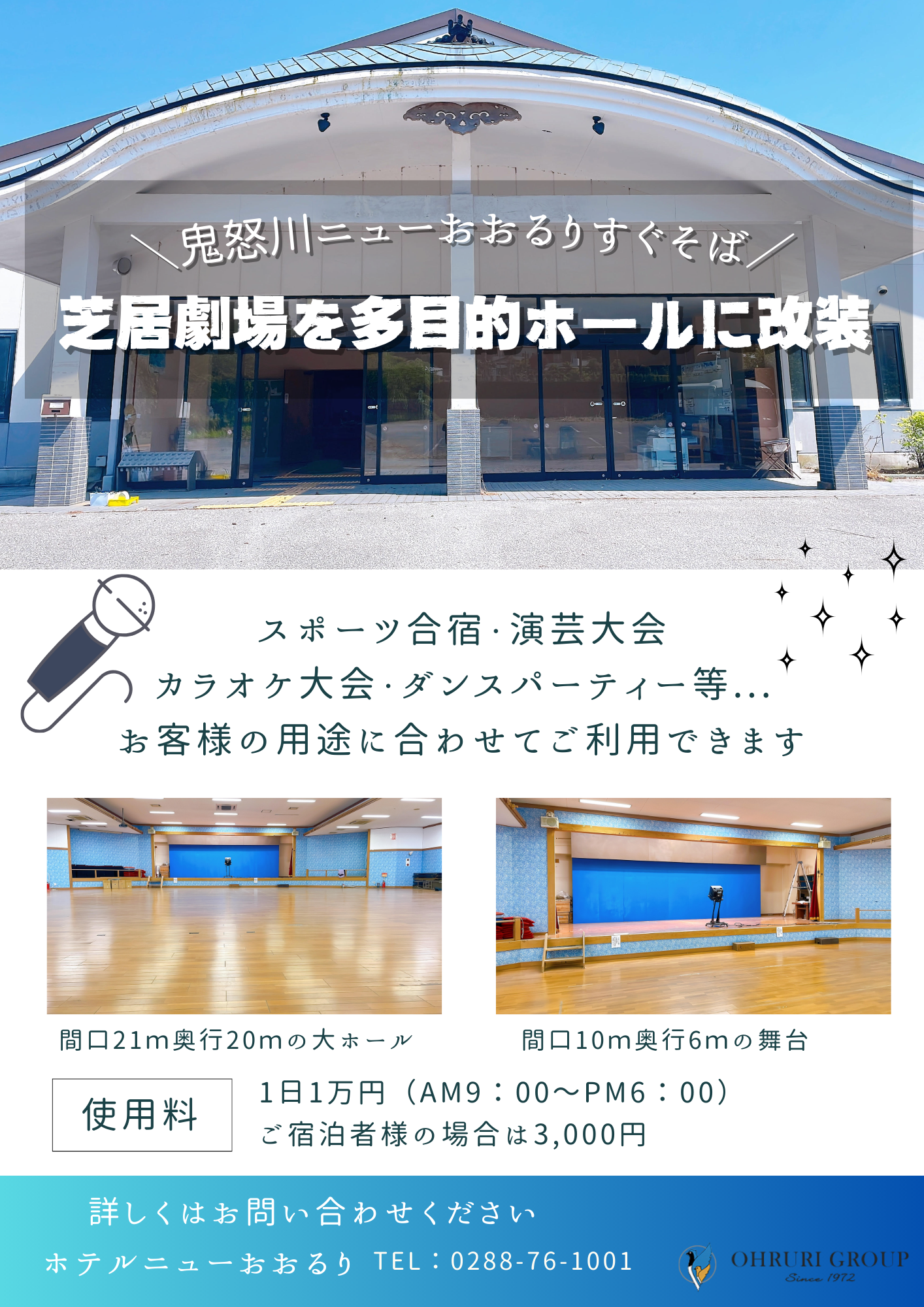
- 芝居劇場を多目的ホールに改装!ホテルニューおおるり2024.05.18
-
How British and Irish Lions Tours Have Shaped UK Rugby Betting Culture, According to Betzella
The British and Irish Lions represent one of rugby union’s most distinctive institutions — a touring side drawn from the four home nations of England, Scotland, Wales, and Ireland that assembles only once every four years to face the southern hemisphere’s strongest Test nations. What is less frequently discussed, however, is the profound influence these tours have had on the development of rugby betting culture across the United Kingdom and Ireland. From the early days of fixed-odds coupons in high street bookmakers to the sophisticated in-play markets now available online, Lions tours have consistently acted as a catalyst for how fans engage with wagering on the sport.
The Historical Roots of Lions Betting and Its Evolution
Organised betting on Lions tours predates the professional era by several decades, though the nature of that betting was radically different from what exists today. In the 1970s and 1980s, when the Lions toured South Africa and New Zealand, punters were largely limited to outright series result markets offered by a handful of licensed bookmakers. The 1971 Lions tour to New Zealand — the only time the Lions have won a Test series against the All Blacks — generated significant betting interest in the UK, though the infrastructure to capture that interest in any sophisticated way simply did not exist. Bets were placed in cash at the counter, markets were thin, and odds compilers had limited access to detailed player statistics or injury information.
The shift began in earnest with the 1997 tour to South Africa, widely regarded as a turning point in Lions history both on and off the pitch. The series win over the Springboks, broadcast extensively on satellite television and accompanied by the documentary series “Living with Lions,” brought the tour into mainstream sporting consciousness in a way previous tours had not. Bookmakers responded by expanding their Lions-related offerings, introducing individual Test match markets alongside the series result. This was also the period when telephone betting accounts were becoming more common, allowing punters to place wagers without visiting a physical shop — a small but meaningful step toward the digital transformation that would follow.
The Gambling Act 2005 in the United Kingdom proved to be the legislative moment that reshaped the entire landscape. By liberalising the licensing framework and removing many of the restrictions that had constrained online operators, it opened the door to a wave of digital bookmakers who could offer markets that traditional shops could not. When the Lions toured Australia in 2013, the betting ecosystem was already unrecognisable compared to 1997. In-play wagering was widespread, mobile apps were mainstream, and the number of available markets on a single Test match had expanded from a handful to several hundred. Spread betting firms had also carved out a niche, offering total points markets and player performance indices that attracted a more analytically minded segment of rugby bettors.
Why Lions Tours Create Unique Betting Dynamics
What makes Lions tours particularly interesting from a betting market perspective is the structural uncertainty they introduce. Unlike a standard international fixture between two established national sides with years of head-to-head data, a Lions squad is assembled from scratch. Coaches select players from four different domestic systems, many of whom have never played alongside each other at Test level. The team’s defensive patterns, lineout calls, and attacking shape must be developed in a compressed preparation window, often consisting of just a handful of warm-up matches before the first Test. This uncertainty is not a weakness in the product — for betting markets, it is precisely the feature that generates volume and engagement.
Odds compilers working on Lions fixtures have consistently reported that these matches are among the most difficult to price accurately. The lack of a settled squad identity, combined with the high probability of injury disruptions during the tour itself, means that pre-match odds can shift dramatically in the days leading up to a Test. The 2017 series against New Zealand illustrated this vividly: the Lions squad suffered a significant injury toll during the provincial matches, forcing selection decisions that altered the perceived balance of the series. Markets moved accordingly, and the eventual drawn series — the first since 1955 — confounded most pre-tour predictions.
The geographic and time-zone dimension adds another layer. Tours to New Zealand and South Africa take place during early morning hours in the UK and Ireland, which historically suppressed live betting volumes. However, the 2021 tour to South Africa — played behind closed doors due to the COVID-19 pandemic — demonstrated that UK audiences were willing to engage with early morning fixtures at scale when the competitive stakes were high enough. Streaming services and mobile betting apps had by this point removed the friction that once made early morning wagering impractical for most punters.
Detailed breakdowns of how these market dynamics have evolved across different tours are documented at betzella.com/british-irish-lions-betting, where the progression from simple series betting to complex in-play and player proposition markets is mapped across the last three decades of Lions rugby.
The Role of Media Coverage in Driving Betting Engagement
It would be a mistake to analyse Lions betting culture without acknowledging the central role that media coverage has played in shaping it. The correlation between broadcast reach and betting volume is well established across sports generally, but the Lions case is particularly instructive because the tours themselves have served as a testing ground for new broadcast technologies and distribution models.
The 2005 tour to New Zealand was the first Lions series to receive comprehensive online coverage alongside traditional broadcast, and bookmakers noted a measurable increase in the diversity of their customer base during that period — younger punters who had grown up with internet access were engaging with rugby betting for the first time in significant numbers. By the time of the 2009 tour to South Africa, social media platforms were beginning to influence real-time odds movements, as injury news and team announcements spread faster than traditional media channels could track.
The podcast and digital video ecosystem that emerged strongly between 2013 and 2017 created another feedback loop. Rugby analysis content — much of it produced independently of the major broadcasters — gave punters access to tactical breakdowns, squad assessments, and injury updates that had previously been the preserve of professional odds compilers. This democratisation of information narrowed the knowledge gap between bookmakers and informed bettors, contributing to the tighter margins and faster market adjustments that characterise Lions betting today.
Betzella has noted in its analysis of Lions wagering patterns that the most significant single driver of betting volume during a tour is not the Test matches themselves but the team announcement for each Test. The revelation of the starting XV and the substitutes bench triggers an immediate wave of market activity, as punters reassess their pre-tour positions in light of selection decisions. This phenomenon is unique to Lions rugby among UK sporting events — no other fixture generates the same degree of speculative pre-announcement betting followed by such rapid post-announcement market correction.
Regulatory Developments and Responsible Gambling Considerations
The growth of Lions-related betting has not occurred in a regulatory vacuum. The UK Gambling Commission, established under the Gambling Act 2005, has progressively tightened its requirements around advertising, customer verification, and affordability checks in the years since the Lions tours began generating significant online betting revenue. The 2019 review of the UKGC’s social responsibility code introduced stricter requirements around the identification of problem gambling indicators, which has had practical implications for how bookmakers manage accounts during high-profile sporting events — including Lions tours.
Ireland presents a slightly different regulatory picture. The Gambling Regulation Act 2024, which received presidential assent in October 2024, established the Gambling Regulatory Authority of Ireland and introduced a licensing framework that brings Irish operators in line with many of the consumer protection standards that have existed in the UK for over a decade. Given that Irish players form a significant component of every Lions squad, and that Irish rugby supporters represent a substantial share of the Lions betting audience, this regulatory alignment has direct relevance to how the market functions across the two jurisdictions.
One consequence of tighter regulation has been greater scrutiny of the advertising that surrounds Lions tours. The 2021 series coincided with a period of heightened public debate in the UK about gambling advertising during live sport, and several operators voluntarily withdrew certain promotional formats during the broadcast window. This has pushed the industry toward more product-focused communication — detailed market explanations, statistical context, and analytical content — rather than the bonus-led promotions that dominated the pre-2019 landscape. The net effect has been a betting audience that is, on average, somewhat more informed about the markets they are entering than was the case a decade ago.
The 2025 Lions tour to Australia arrives in a betting environment shaped by four decades of gradual development — from the thin fixed-odds markets of the amateur era to the sophisticated, data-driven ecosystems that now characterise major rugby wagering. What Lions tours have contributed to UK rugby betting culture is not simply volume, though they generate that in abundance. They have consistently served as stress tests for the industry’s capacity to price uncertainty, manage market volatility, and engage audiences across time zones and broadcast platforms. As Betzella’s research into Lions betting patterns suggests, the tour’s unique structural characteristics — the assembled squad, the compressed preparation, the high-stakes series format — produce betting dynamics that have no direct equivalent elsewhere in the rugby calendar, and that have repeatedly pushed operators and punters alike to develop more sophisticated approaches to the sport.
- 喫煙所リニューアル♪2022.11.05
-
鬼怒川温泉ホテルニューおおるりの喫煙所がリニューアルしました♪
玄関脇にございますのでお気軽にご利用くださいませ。
How Casizoids Tracks Emerging Trends in the Canadian iGaming Industry
The Canadian iGaming landscape has undergone a fundamental structural shift since Ontario became the first province to launch a regulated open-market model in April 2022. Under the oversight of iGaming Ontario, a subsidiary of the Alcohol and Gaming Commission of Ontario (AGCO), licensed operators began accepting real-money wagers from Ontario residents through a framework that separated regulated sites from the grey-market operators that had long dominated Canadian online gambling. This regulatory pivot created a measurable data environment for the first time — one that platforms tracking the industry could use to identify genuine trends rather than relying on estimates and proxy signals. For analysts, affiliates, and players alike, understanding how credible monitoring resources gather and interpret this data has become increasingly valuable as the market matures and other provinces consider similar frameworks.
Understanding the Regulatory Data Landscape in Canada
Before Ontario’s regulated market launched, there was no centralized reporting mechanism for Canadian online gambling activity. Operators based in jurisdictions like Malta, Gibraltar, or Kahnawake served Canadian players without any obligation to report revenues, player counts, or game performance metrics to Canadian authorities. The result was a market that generated substantial economic activity — estimated at over CAD 4 billion annually by some industry consultancies — but produced almost no verifiable domestic data.
iGaming Ontario changed this by requiring registered operators to submit periodic performance reports. By the end of fiscal year 2022–2023, iGO had published aggregate figures showing over CAD 1.6 billion in gross gaming revenue generated by registered operators, with more than 1.4 million active player accounts. These figures gave analysts a concrete baseline. Trend-tracking resources could now compare quarter-over-quarter growth, observe which game verticals were gaining share, and note how promotional spending correlated with player acquisition. Sports betting, for instance, grew rapidly following the federal amendment to the Criminal Code under Bill C-218 in August 2021, which legalized single-event sports wagering — a category that had previously forced Canadian bettors offshore for parlay-only options.
Monitoring resources that operate responsibly in this space pay close attention to AGCO’s Standards for Internet Gaming, which have been updated multiple times since the initial 2021 release. Changes to responsible gambling requirements, advertising restrictions — particularly the 2023 guidance limiting athlete endorsements in gambling promotions — and technical standards for random number generators all affect which operators remain compliant and therefore worth covering. Platforms that fail to track these regulatory updates risk recommending operators whose licences are under review or whose practices fall outside current standards.
How Trend Monitoring Works in Practice
Effective trend tracking in the Canadian iGaming sector involves several parallel data streams. The first is regulatory filings and public statements from bodies like iGO and the AGCO, which provide structured quarterly and annual data. The second is operator-level signals: bonus structure changes, new game launches, software provider partnerships, and shifts in payment method availability. When multiple operators simultaneously introduce a new feature — such as cash-out options for live sports bets or cryptocurrency deposit support — that convergence typically signals a broader industry direction rather than an isolated product decision.
The third stream involves player community feedback and search behavior. Aggregated search volume data for terms related to specific game types, payment methods, or operator names can reveal emerging player preferences before they show up in formal revenue reports. This is particularly relevant for tracking the growth of crash games and provably fair mechanics, which gained traction in Canada during 2022 and 2023 among younger demographics who had prior exposure to crypto-adjacent gaming formats. Analysts working on Casizoids, a platform that monitors developments across the Canadian iGaming market, apply a structured methodology that cross-references operator-side changes with player-side behavioral data to identify which trends have staying power versus which represent short-term promotional spikes.
A fourth and often underappreciated stream is software provider activity. When studios like Evolution Gaming, Pragmatic Play, or Hacksaw Gaming announce Canadian market-specific releases or localized content, it signals where product investment is flowing. Evolution’s expansion of live dealer studios with French-language tables, for example, pointed toward anticipated regulatory movement in Quebec — a province that has debated its own regulated framework for several years. Tracking these upstream signals allows trend analysts to anticipate market shifts rather than simply document them after the fact.
Key Trends Shaping the Canadian iGaming Market Since 2022
Several concrete developments have defined the trajectory of Canadian iGaming since Ontario’s regulated market launched. The first is the accelerating consolidation among operators. Early entrants like BetMGM Canada, PointsBet, and DraftKings established footholds quickly, but by mid-2023 several smaller operators had exited the Ontario market or merged with larger entities due to the high cost of compliance and customer acquisition. This mirrors patterns seen in New Jersey and Pennsylvania when those US states matured past their initial regulated phases.
The second major trend is the growing importance of responsible gambling infrastructure as a competitive differentiator rather than a compliance checkbox. Ontario’s requirement for operators to integrate with GameSense and to provide mandatory deposit limit prompts during registration initially met industry resistance, but by 2023 several operators had begun marketing their responsible gambling tools proactively. This shift reflects both regulatory pressure and evidence that players with sustainable gambling habits generate more lifetime value than those who churn after short, high-intensity sessions.
Third, the payment landscape has evolved considerably. Interac e-Transfer remains dominant for Canadian players due to its familiarity and lack of processing fees, but the adoption of digital wallets — particularly Apple Pay and Google Pay — has grown steadily as operators updated their payment infrastructure. Cryptocurrency remains a niche option in the regulated Ontario market, partly because AGCO’s standards require operators to maintain AML-compliant transaction records, which creates friction with pseudonymous blockchain transactions. However, several grey-market operators serving Canadian provinces outside Ontario continue to offer crypto options, creating a competitive pressure that may influence future regulatory discussions.
The fourth trend worth noting is the expansion of live casino content relative to traditional RNG slots. Live dealer game revenue has grown as a share of total gross gaming revenue in Ontario, consistent with broader global patterns. The social and interactive elements of live dealer formats appear to resonate particularly with players who previously engaged with land-based casinos in Ontario’s extensive casino network, which includes properties operated by OLG and private partners like Great Canadian Entertainment.
Challenges in Accurately Tracking a Partially Regulated Market
One of the most significant analytical challenges in the Canadian context is that Ontario remains the only province with a fully regulated open-market framework. British Columbia operates PlayNow.com through BCLC as a government monopoly. Quebec’s Espacejeux operates under a similar model. Alberta, Manitoba, and the Atlantic provinces have their own lottery and gaming corporations with limited online presence. The result is a fragmented regulatory map where iGO data represents only one province’s regulated activity while millions of Canadian players in other provinces continue to use offshore or grey-market operators without generating any domestic reporting data.
This fragmentation means that national trend analysis requires methodological caution. Revenue figures from iGO cannot be extrapolated directly to represent the full Canadian market. Analysts must supplement regulated data with third-party traffic estimates, payment processor data where available, and operator disclosures from publicly listed companies — many of which report Canadian revenue as part of broader North American or international segments rather than as a standalone line item. Flutter Entertainment, for example, which owns PokerStars and FanDuel, provides some geographic revenue breakdowns that allow analysts to infer Canadian performance, but the granularity is limited.
There is also the ongoing challenge of distinguishing genuine trend signals from noise introduced by promotional cycles. Ontario’s regulated operators spent heavily on customer acquisition bonuses in the first year of operation, which inflated both player account numbers and early revenue figures. As promotional budgets normalized in 2023 and 2024, some metrics that appeared to show strong growth turned out to reflect one-time acquisition effects rather than sustainable engagement. Responsible trend tracking requires long enough data windows to distinguish structural growth from promotional distortion — a discipline that separates serious industry analysis from superficial reporting.
The Canadian iGaming market is still in a relatively early phase of its regulated evolution, and the data infrastructure supporting meaningful trend analysis continues to improve with each quarterly reporting cycle from iGaming Ontario and each update to the AGCO’s regulatory standards. As more provinces evaluate whether to follow Ontario’s model — and as federal discussions about a national framework periodically resurface — the value of rigorous, evidence-based trend monitoring will only increase. Platforms and analysts that invest in cross-referencing regulatory data, operator behavior, player signals, and upstream software provider activity are better positioned to offer insight that goes beyond surface-level observation, serving both industry participants and players who want to understand the environment they are engaging with.